 blog
Is a Walk-In Shower Worth It for Resale Value?
Last Updated: November 13, 2026
Quick Summary
For many U.S. homeowners a walk-in shower is worth it for resale value, but only under the right conditions. It can make a bathroom look current and easier to use, yet removing a tub can narrow the buyer pool, so the decision depends on how many bathrooms the home has and who is likely to buy it.
- Keep at least one tub when the home has two or more full bathrooms.
- Removing the only tub in a one-bath home carries the highest buyer-pool risk.
- Request itemized quotes covering demolition, plumbing, waterproofing, tile, and permits.
- Skipping proper waterproofing can mean tearing out the shower and repairing framing later.
- Check local permit requirements, since unpermitted work can delay a sale.
Table of Contents
- Walk-In Shower vs. Tub Resale: How Buyers Actually Compare Them
- Do You Need a Bathtub for Resale Value?
- Replacing a Bath With a Shower: What It Costs and What You Get Back
- Walk-In Shower Ideas That Keep Resale Appeal Strong
- Accessibility, Aging in Place and Who Your Buyer Is
- Planning Your Bathroom Change Before You Sell or Stay
- Frequently Asked Questions
Is a walk-in shower worth it for resale value? For many U.S. homeowners, the short answer is yes, but only under the right conditions. A walk-in shower can make a bathroom look current and easier to use, yet it can also remove a bathtub that some buyers expect. At My Kitchen Design EXPO, we help Central Florida homeowners weigh those trade-offs before any work begins, so the decision rests on the home and the local buyer pool rather than on a rule of thumb.
Walk-in showers come up so often because bathrooms are among the most visible rooms during a sale. Buyers judge them quickly, and a dated tub surround or a cramped stall can shape their first impression. A clean, well-built walk-in shower often reads as updated and easier to maintain. The question is not whether a shower looks good. It is whether the change adds value without leaving the home short on the features a buyer expects.
Owners tend to raise three concerns. First, will removing a tub shrink the buyer pool? Second, will the project cost more than it adds to the sale price? Third, will the shower suit the next owner's needs? Each concern has a different answer depending on how many bathrooms the home has and who is likely to buy it. Treating the decision as a single yes-or-no question usually leads to poor planning.
Walk-In Shower vs. Tub Resale: How Buyers Actually Compare Them
Buyers usually compare a walk-in shower and a tub by daily convenience and by what the bathroom set-up says about the home. A walk-in shower is easier to step into, simpler to keep clean, and often feels more open. A tub remains useful for bathing children, soaking, and for buyers who expect one in the home.
The practical difference is who the bathroom serves. A primary bath with a walk-in shower often suits a couple or a single adult. A secondary bath with a tub often suits a family. Many homes that sell well keep at least one tub somewhere, so the walk-in shower adds appeal without limiting use.
Local conditions matter here too. What buyers want in one part of Central Florida may differ from another, and a comparable-home review is the most reliable way to check. Look at recent sales with similar bathroom layouts before deciding.
Do You Need a Bathtub for Resale Value?
A bathtub is not legally required for resale, but removing the only tub can narrow who will consider the home. Buyers with young children, buyers who soak, and some buyers who simply expect a tub in a family home will look elsewhere if no tub remains. The practical question is not whether tubs matter in general, but whether your home can afford to lose its last one.
Use the home's bathroom count as a decision framework rather than a rule of thumb.
If the home has one full bathroom and no other tub, converting that bathroom to a walk-in shower removes the home's only tub. That is the highest-risk scenario. The buyer pool narrows most, and the conversion is hardest to justify on resale alone. In this case, a tub-shower combination or a shower with a built-in seat and low threshold may serve both accessibility and family needs better than a tub-free shower.
If the home has two or more full bathrooms and at least one keeps a tub, converting a secondary or primary bath to a walk-in shower is usually lower risk. The home still offers a tub for families, and the shower adds convenience and a current look.
If the home has multiple bathrooms but none has a tub, adding a tub back is usually more expensive than keeping one, so plan the conversion before the last tub is removed. If the home has a tub in a hall bath and a shower in the primary, that is often the most flexible layout for resale.
Local demand still decides the details. In some neighborhoods and price tiers, buyers expect a tub in at least one bathroom; in others, a well-built walk-in shower is the stronger selling point. Ask a local agent how similar homes with and without tubs have sold recently, and compare homes of similar size, age, and price rather than the market as a whole.
Watch out: counting bathrooms is not enough. A tub in a bathroom that buyers treat as unusable, such as one accessed only through a bedroom or one in poor condition, does not protect resale the way a well-placed hall bath tub does.
Replacing a Bath With a Shower: What It Costs and What You Get Back
Converting a tub to a walk-in shower is a construction project, not a fixture swap. The scope usually includes demolition of the tub and surround, capping or relocating the drain, reworking supply lines, rebuilding the shower pan, waterproofing, tile or solid-surface walls, a glass enclosure, and finish carpentry. Each line item moves the budget, so a single lump-sum quote hides where the money goes.
A transparent quote separates these categories: demolition and haul-away; rough plumbing (drain relocation, valve height, supply stubs); shower pan and waterproofing membrane; wall substrate and tile or panel; glass and door hardware; accessibility features such as a bench, grab-bar blocking, and a low curb; electrical for lighting or a fan; permits and inspection fees; and finish trim and paint. Ask for the quote in that format so you can compare bids line by line instead of by total.
Pricing depends on the scope of the project, the materials chosen, and the specifics of your home. For current pricing or a quote, visit My Kitchen Design EXPO's website. Skipping proper waterproofing is one of the most expensive mistakes a homeowner can make, because a failed pan or membrane can mean tearing out the finished shower and repairing framing or subfloor later.
Permits and code requirements typically apply to this kind of work. Check with your local building department about what is required for your project. Unpermitted work can surface during a buyer's inspection and either delay a sale or force a price concession.
Return on investment is harder to predict than contractors imply. Return on investment is difficult to predict, and the result depends on the home's price tier, the condition of the rest of the house, and whether the conversion leaves the home short on bathrooms or tubs. Treat any ROI claim with caution unless it is backed by recent local sales data. A local agent can pull comparable sales with and without tubs and tell you whether buyers in your price range penalize a tub-free bathroom.
Watch out: a low bid that omits waterproofing, permit fees, or glass hardware is not a cheaper project; it is an incomplete one that shifts cost and risk to you.
The article breaks a bath-to-shower conversion into line items, so a quote can be compared category by category.
| Cost category | What it covers | Why it matters |
|---|---|---|
| Demolition | Tub and surround removal, haul-away | Shows labor scope |
| Rough plumbing | Drain relocation, valve height, supply stubs | Often hidden in lump sums |
| Shower pan and waterproofing | Pan and membrane | Skipping it is costly |
| Wall finish | Substrate, tile or panel | Major material choice |
| Glass and hardware | Enclosure and door hardware | Easy to omit from low bids |
| Accessibility features | Bench, grab-bar blocking, low curb | Adds function and appeal |
| Permits and inspection | Local permit and inspection fees | Unpermitted work can delay a sale |
Walk-In Shower Ideas That Keep Resale Appeal Strong
Designs that look current and stay easy to use tend to appeal to the widest range of buyers. A curbless, low-threshold entry makes the shower easier to step into and gives the bathroom a clean line. Neutral tile, a frameless glass enclosure, and a built-in bench are common choices that many buyers find attractive.
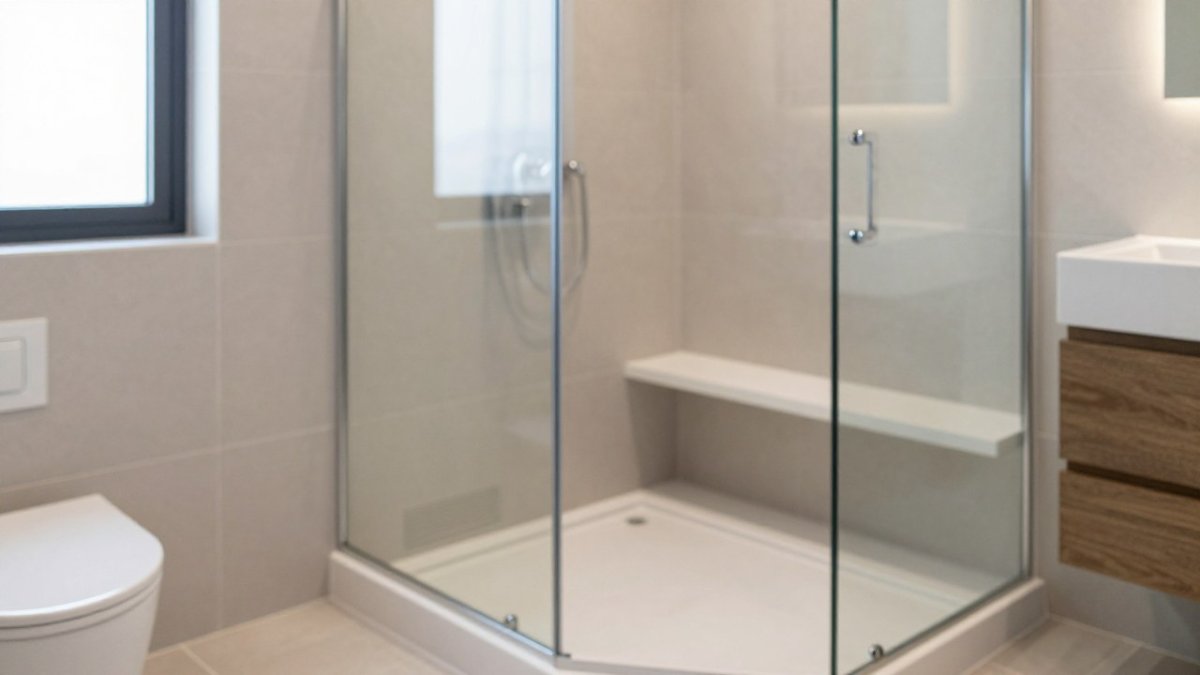
Practical details matter as much as looks. Slip-resistant flooring, adequate grab bar blocking in the walls, and a handheld showerhead add function without making the room feel clinical. Good ventilation prevents moisture problems that buyers notice during inspections.
Avoid choices that date quickly or reduce flexibility. Highly personal colors and overly elaborate fixtures can narrow appeal. Simple, durable finishes usually serve a sale better.
Accessibility, Aging in Place and Who Your Buyer Is
Walk-in showers with low thresholds and blocking for grab bars appeal to older adults and to buyers planning to age in place. These features can also help anyone with a temporary injury or a young child. Universal design principles give a home broader appeal without making it look like a medical space.
Knowing your likely buyer helps set priorities. A home near family-oriented neighborhoods may need a tub, while a home in a retirement-friendly area may benefit more from accessibility features. Your agent can describe the typical buyer in your neighborhood.
Planning Your Bathroom Change Before You Sell or Stay
Start by counting the bathrooms and listing who uses each one. If the home has two full baths, a walk-in shower in one may fit well. If it has one, weigh the buyer-pool risk carefully before committing.
Next, gather two or three local sales of similar homes and note whether they had tubs. Then request itemized quotes covering demolition, plumbing, waterproofing, tile, and permits. Compare the cost against the value of a bathroom that will photograph well and show clearly.
If you plan to stay, the decision can focus on daily comfort. If you plan to sell soon, focus on buyer demand and a finish that feels current without being trendy.
My Kitchen Design EXPO, a family-owned business serving Central Florida since 2009, offers one-stop design and turn-key construction with 3D visualization so you can see the bathroom before work begins. Start with an in-store appointment and bring your floor plan. Click and make your "IN-STORE" appt today.
Frequently Asked Questions
Do walk-in showers hurt resale value?
A walk-in shower usually does not hurt resale value when the home still has at least one bathtub. Buyers with young children or those who prefer soaking often look for a tub, so removing the only tub can narrow the pool of interested buyers. Replacing a tub with a well-finished walk-in shower in a home that already has another full bathroom tends to be a neutral or positive change for most buyers. Before making the change, compare recent sales of similar homes in your neighborhood to see what features they include.
Do you need a bathtub for resale value?
You do not always need a bathtub for resale, but keeping at least one tub is the safer choice for most homes. Many family buyers consider a tub a basic expectation, especially in a home with only one full bathroom. If your home has a second full bathroom with a tub, converting the primary bath to a walk-in shower is less likely to limit your buyer pool. Your local real estate agent can tell you what buyers in your price range expect.
How much does it cost to replace a bathtub with a shower?
Costs vary widely based on materials, plumbing changes, tile work and the size of the bathroom, so no single figure applies to every project. Pricing depends on the scope of work, the fixtures you choose and whether the drain and wall framing need changes. For current figures and an itemized quote for your home, contact My Kitchen Design EXPO or visit mkdexpo.com. Getting several detailed written estimates also helps you compare what each includes.
Which is better for resale, a bathtub or a shower?
Neither option wins in every home. A bathtub appeals to buyers who want to soak or bathe children, while a walk-in shower appeals to buyers who value easy daily use and accessibility. The better choice depends on how many bathrooms you have and what comparable homes in your area include. When a home keeps at least one tub, a walk-in shower in the other bathroom usually fits the expectations of most buyers.